
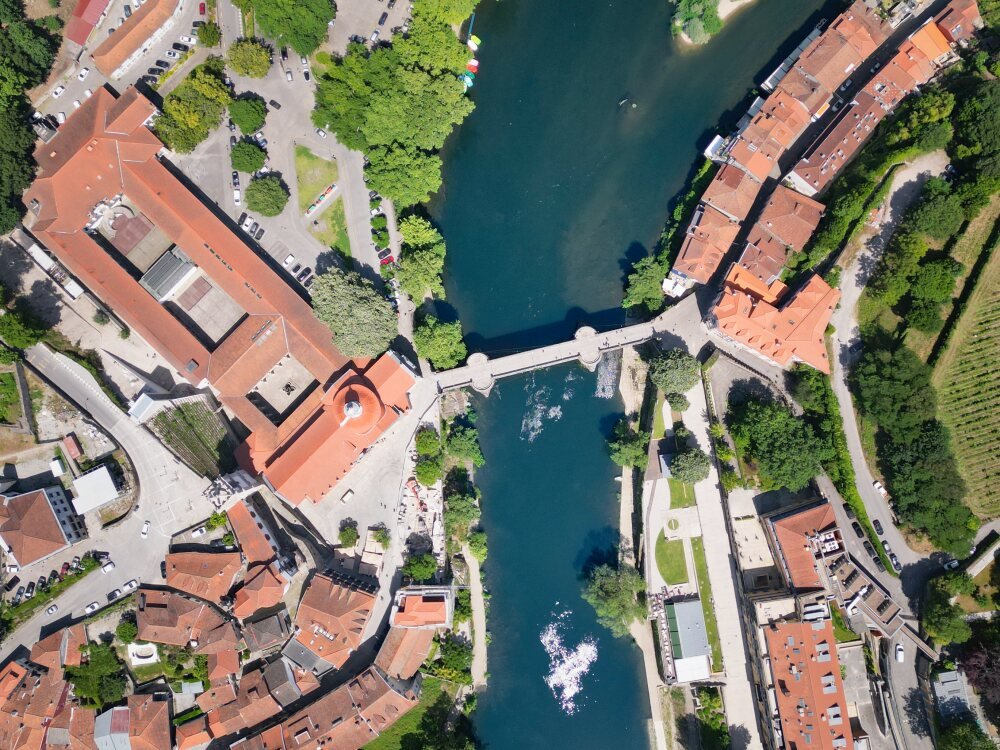
The northern frontier of Portugal does not reveal its beauty to those in a hurry. Unlike the sun-bleached, predictable stretches of the far south, this region is a complex tapestry of ancient granite, deep river valleys, and shifting maritime light. It is a landscape where medieval stone fortresses stand guard over terraced vineyards, and wild Atlantic waves crash against historic fishing ports. For the independent traveler moving with true intent, the north represents the authentic heartbeat of the nation. To journey across these hills is to surrender to a slower, more profound rhythm of discovery.
Porto: The Atmospheric Gateway to the North
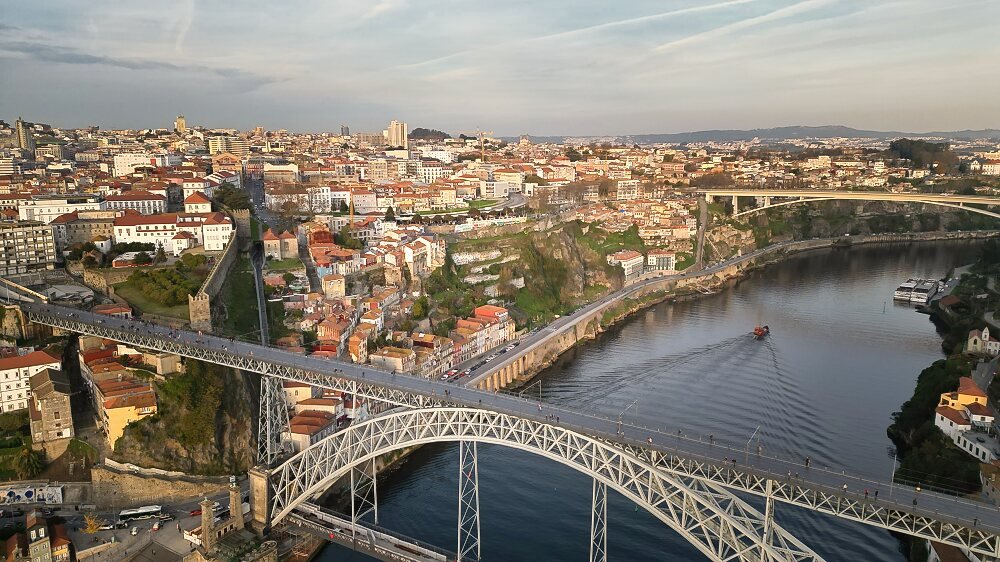
Porto is a city forged in dark granite and softened by persistent Atlantic moisture. The initial impact of the urban landscape relies heavily on dramatic topography and layered architectural eras. Buildings clad in hand-painted azulejo tiles cling precariously to the steep slopes rising above the riverbanks. The historic Ribeira district serves as a living theater of texture, where narrow alleyways collapse into ancient arches. Watching the late afternoon sun ignite the iron expanse of the Eiffel-inspired bridge sets a meditative tone for exploration. It is a city that demands you wander aimlessly, letting the scent of roasting chestnuts and river salt guide your footsteps.
The historical depth of Porto is inextricably bound to maritime commerce and imperial expansion. During the Portuguese Age of Discovery, the shipyards along the Douro River built the caravels that charted unknown global oceans. This global wealth funded the breathtaking, gold-encrusted woodwork found inside the iconic Church of São Francisco. Later, the 18th-century wine trade transformed the city into an international mercantile hub, carving out massive stone aging cellars across the river in Vila Nova de Gaia. Walk slowly past the monumental granite facades of the Avenida dos Aliados to feel the heavy civic pride of this ancient merchant capital.
Guimarães: Walking Through the Cradle of Medieval Stone
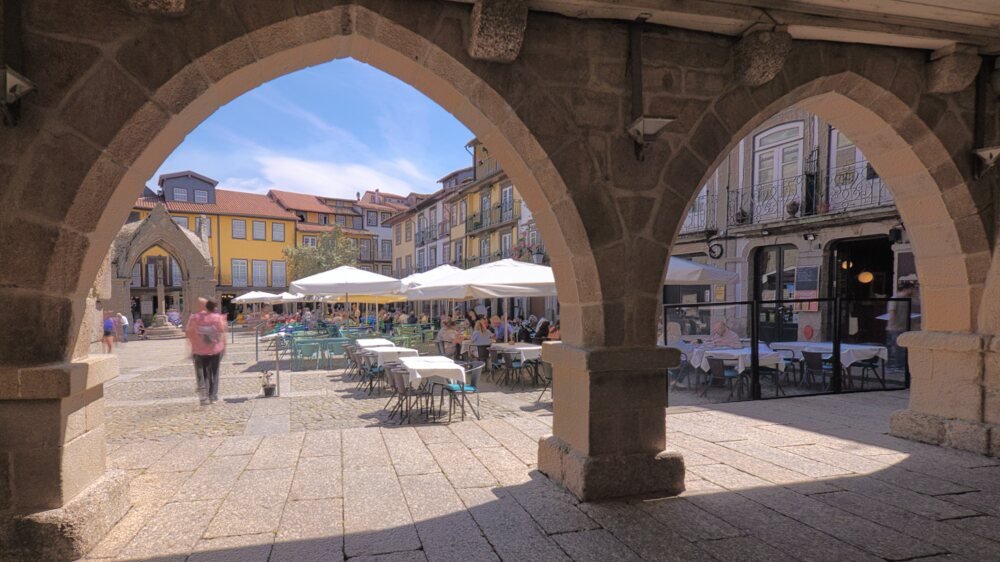
Stepping into the historic center of Guimarães feels like an entry into a preserved ancestral world. This fortified stronghold is widely revered as the birthplace of Portuguese national identity and a protected UNESCO World Heritage site. The architectural narrative is anchored by the formidable 10th-century castle standing guard over the northern valley. Beneath the battlements, winding stone pathways polished smooth by generations lead into peaceful medieval squares. Bright white timber-framed cottages trimmed in deep blues and ochres overlook quiet interior courtyards overflowing with greenery. Lingering within the Romanesque cloister of the Alberto Sampaio Museum reveals a profound stillness that mass tourism rarely permits.
The history of Guimarães is the history of the foundation of Portugal itself. In the early 12th century, Afonso Henriques declared himself the first King of Portugal after defeating his own mother’s forces at the Battle of São Mamede just outside the city walls. The ancient Romanesque Church of São Miguel, located beside the castle keep, still houses the baptismal font used for the founding monarch. Walking beneath the massive gothic porches of the Praça de Santiago connects you directly to the early defensive architecture of the County of Portugal. Every heavy granite block in the town center carries the weight of a kingdom carved out of medieval stone.
Braga: Ancient Spires and Historic Hillside Sanctuaries
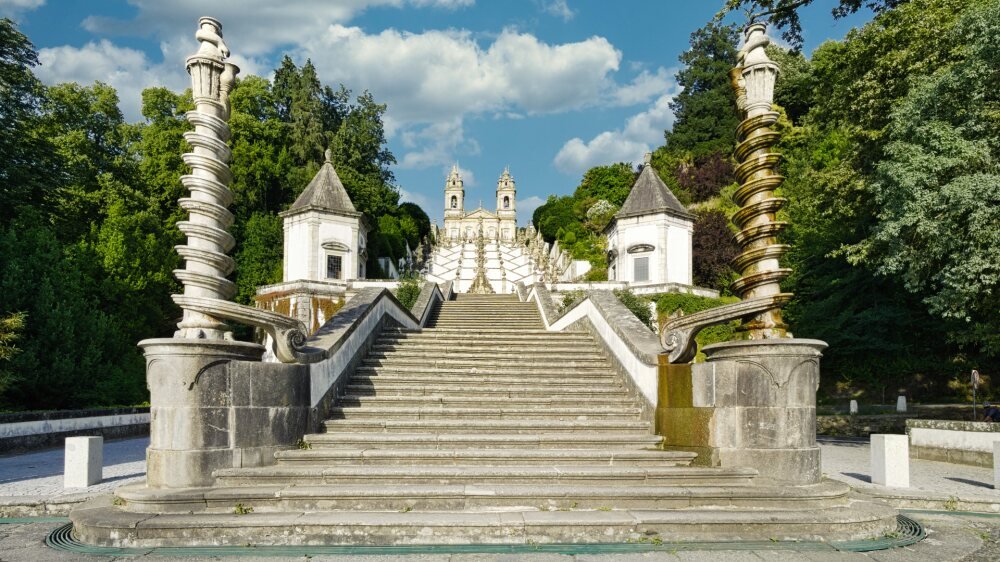
Braga functions as the deep spiritual and religious anchor of northern Portugal. Known as the oldest city in the nation, its identity is inextricably bound to Baroque architecture and soaring cathedral spires. The historic core thrives within a network of lively squares, hidden stone fountains, and manicured public gardens. The true masterpiece of the region rests high on the forested slopes of Mount Espinho. Here, the monumental zigzagging Baroque staircase of the Bom Jesus do Monte sanctuary rises dramatically toward the sky. Climbing these steps at twilight offers an unparalleled connection to the past while observing panoramic views over the valley.
Braga’s origins date back over two thousand years to its foundation as Bracara Augusta, the Roman capital of the Gallaecia province. By the 4th century, the city evolved into a major center of early Iberian Christianity, long before the Moorish or Visigothic eras. The architectural centerpiece is the 11th-century Braga Cathedral, which represents a complex blend of Romanesque, Gothic, and Manueline styles. Inside the cloisters, the tombs of Henry of Burgundy and Teresa of León hold the royal parents of Portugal’s first king. Walking through the monumental Archbishop’s Palace confirms the immense political power that church leaders held over the region for centuries.
Amarante: A Slow Retreat Along the Riverside
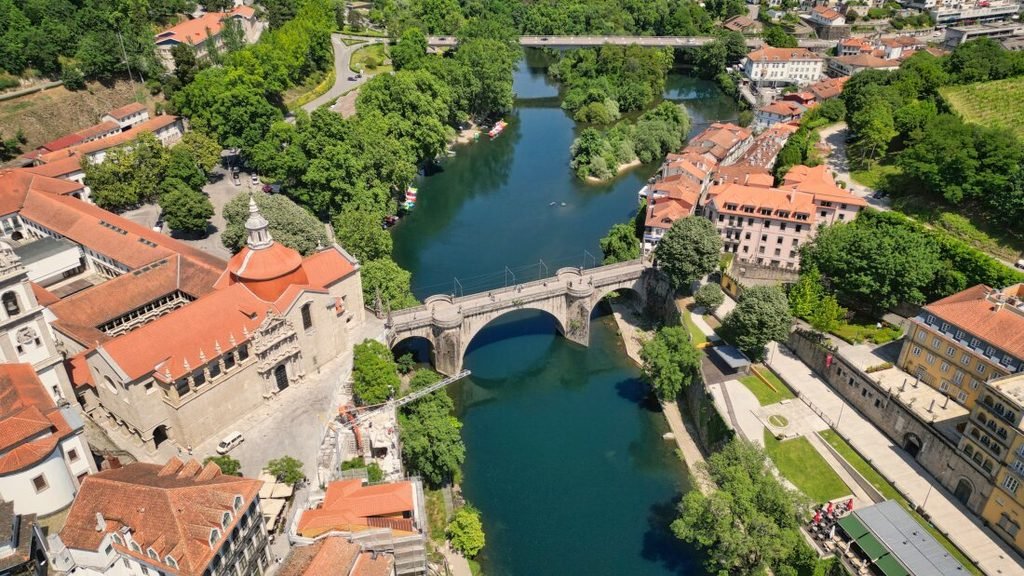
Amarante is a picturesque haven of tranquility nestled deeply along the banks of the quiet Tâmega River. The entire town moves to a gentle, artistic cadence that has inspired generations of classical Portuguese painters. The architectural focal point is the majestic 18th-century stone bridge crossing the serene waterway. Directly beside the river stands the grand 16th-century Church and Monastery of São Gonçalo. Wandering through the oldest quarters reveals an authentic tapestry of rustic taverns and sweet aroma profiles from monastic pastry shops. It is a destination designed for slow reflection, where the only real objective is watching the river tide turn.
The history of Amarante is defined by acts of deep spiritual devotion and heroic military resistance. In the 13th century, the revered saint São Gonçalo settled here, physically building the original bridge to connect isolated rural communities across the river. Centuries later, during the Peninsular Wars of 1809, the townspeople mounted a legendary defense against invading French Napoleonic troops. For fourteen grueling days, local soldiers successfully blocked the French army from crossing the strategic stone bridge. The bullet scars from that fierce defensive standoff are still visible today on the historic granite facades facing the riverbank.
Viana do Castelo: Where Maritime Heritage Meets the Sea
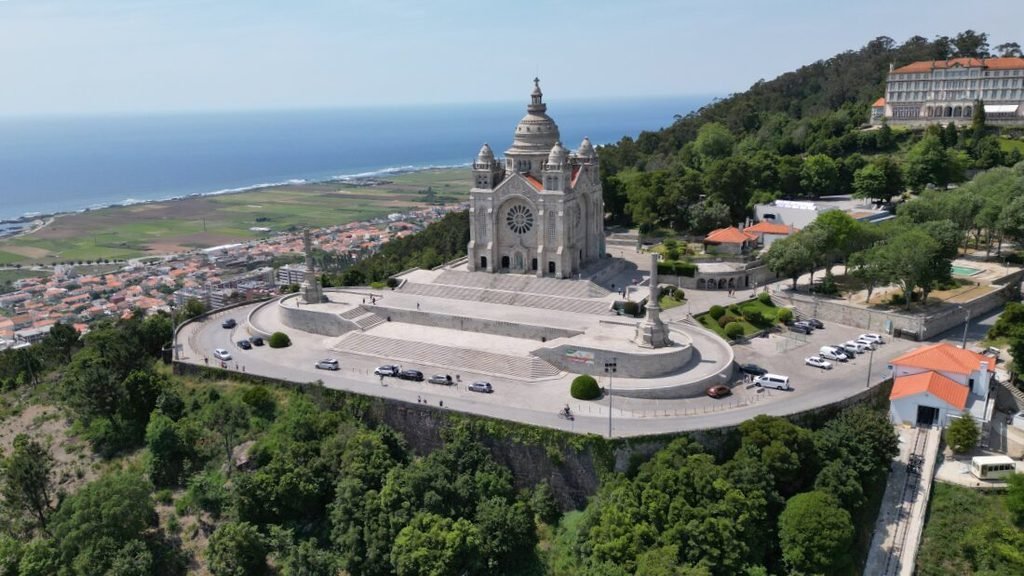
Viana do Castelo is an exceptionally elegant coastal town shaped entirely by deep-water legacies and transatlantic trade. The historic maritime port stands as a testament to historical resilience, preserved beautifully from predictable mass tourism patterns. Inside the monumental Praça da República, a magnificent 16th-century Renaissance fountain serves as the central visual anchor. The skyline is completely dominated by the striking Neo-Byzantine dome of the Sanctuary of Santa Luzia. Taking the local funicular up the steep mountaintop offers a breathtaking visual contrast where green hills meet the roaring Atlantic.
The historical trajectory of Viana do Castelo skyrocketed during the 15th and 16th centuries. The town’s adventurous mariners were among the first to sail across the freezing north Atlantic to harvest cod from the shores of Newfoundland. The immense wealth generated from this maritime trade funded the exquisite Manueline and Renaissance palaces that line the historic center today. During the 19th century, the local shipyards became famous for crafting the traditional wooden fishing fleets of Portugal. Walking past the defensive stone walls of the Santiago da Barra Fort reveals how the community protected its maritime treasures from roving privateers.
Viana do Castelo
Ponte de Lima: The Ancestral Heart of the Green Minho
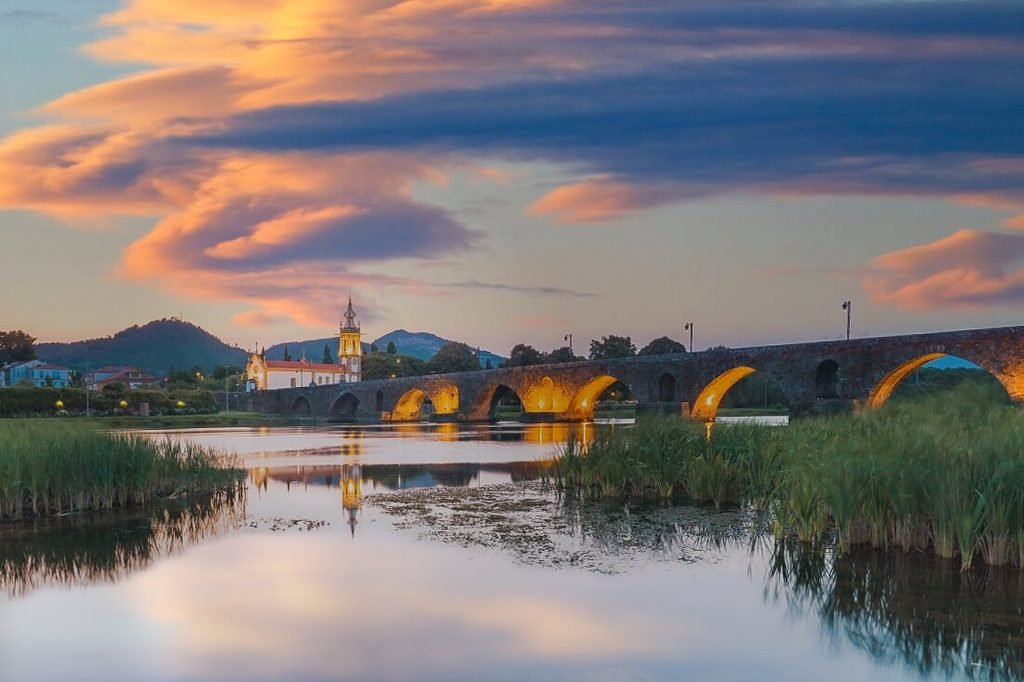
Ponte de Lima represents a serene step backward into the agricultural and architectural roots of the deep north. Widely recognized as the oldest chartered town in Portugal, the settlement moves to an exceptionally peaceful, unhurried rhythm. The visual identity of the geography is entirely anchored by the monumental stone bridge spanning the quiet Lima River. Shaded avenues of ancient plane trees line the riverbanks, casting long shadows across the historic granite embankments. Walking through the quiet squares reveals a landscape deeply connected to traditional folklore, organic farming, and authentic country life. It is a destination that demands you slow down and simply listen to the water flow.
The historical tapestry of Ponte de Lima is rooted deeply in ancient mythology and early Roman military campaign lore. In the year 135 Before Christ, the Roman legions under proconsul Decimus Junius Brutus reached the river borders. The soldiers refused to cross the water, believing it was the mythical Lethe, the legendary River of Oblivion. They feared that stepping into the stream would instantly wipe out their memories of home and country. The commander courageously crossed the river alone, calling out his soldiers’ individual names from the opposite bank to prove his memory remained intact. Walking across the preserved arches of the ancient bridge connects you directly to that momentous frontier crossing.
Curated Living: Restorative Sanctuaries of the North
To truly absorb the character of these northern spaces, your base camps must match the soul of the landscape. After a long day of tracking shifting light and exploring historic stone, you need a thoughtful sanctuary to return to. We have selected a handful of exceptional boutique accommodations across our featured towns. These are intimate spaces where historic architecture, authentic design, and genuine comfort come together naturally.
Porto: Where to Stay for an Authentic Experience
Gran Cruz House sits right in the historic heart of the Ribeira district, steps from the water. Travelers consistently praise this intimate hotel for its warm hospitality and deep attention to detail. Guest reviews highlight the exceptional, personalized service that makes you feel like an old friend returning home. The rooms are beautifully styled, balancing historic wooden ceilings with clean, contemporary design elements. Waking up to watch the morning light hit the Douro River right outside your window is an unforgettable experience. It represents a perfectly peaceful sanctuary hidden inside a vibrant, ancient merchant quarter.
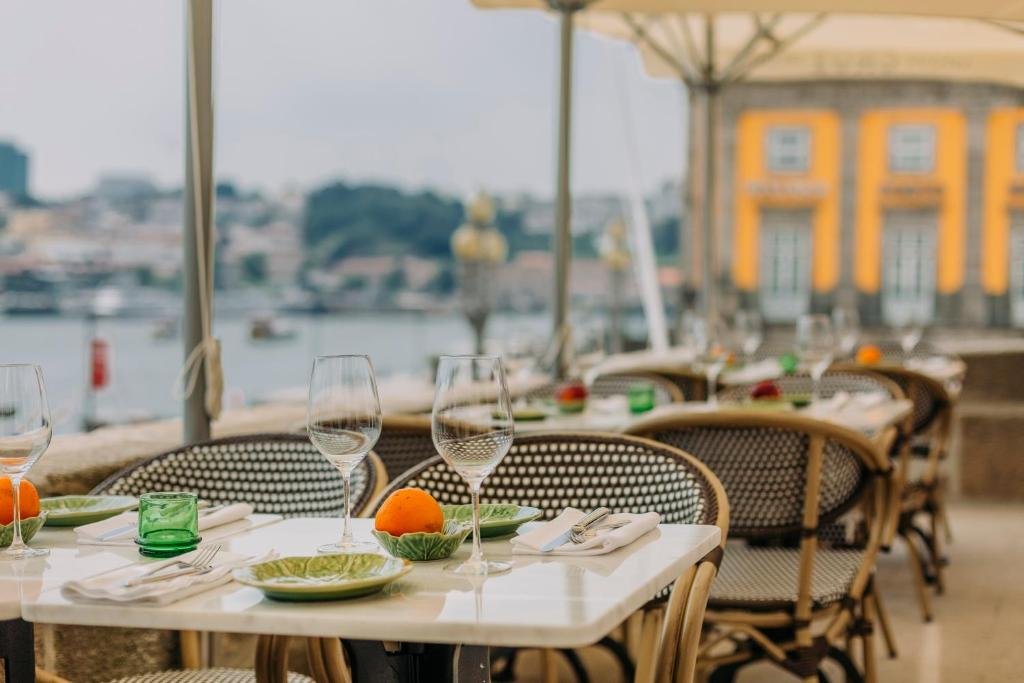
Armazém Luxury Housing occupies a masterfully restored 19th-century iron warehouse in the true architectural heart of Porto. Guests consistently leave exceptional reviews, pointing to the incredible old-world charm that coexists perfectly with high-end modern comforts. The property features nine unique bedrooms and three distinct apartments, ensuring an intimate boutique feel. Reviewers frequently praise the gracious staff who offer a welcoming sweet treat and hot tea upon your arrival. Mornings here begin with a wonderful breakfast buffet served inside a quiet, beautiful inner courtyard. It stands as a profoundly thoughtful, design-forward oasis just a short walk from the iconic Clérigos Tower.
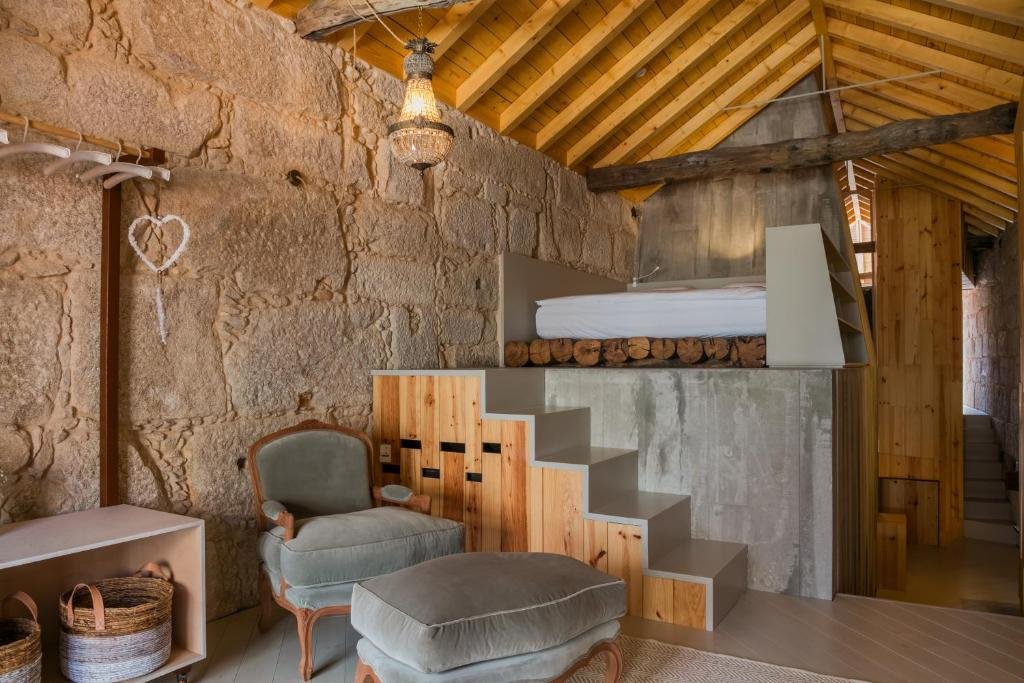
Guimarães: Historic Stays in the Medieval Cradle
Pousada Mosteiro de Guimarães occupies a masterfully restored 12th-century Augustinian monastery perched high on a hill overlooking the town. Real guest reviews consistently describe it as a breathtaking journey back in time, noting the unparalleled quiet of the estate. Visitors are routinely captivated by the soaring stone cloisters, ancient tile panels, and beautiful historic gardens surrounding the property. The guest rooms are housed in the former monks’ cells, balancing heavy antique furnishings with modern comfort. Dining in the grand, high-ceilinged stone refectory makes you feel like an epicurean guest in an ancestral castle. It stands as an intensely peaceful, majestic retreat that honors the deepest roots of northern Portugal.
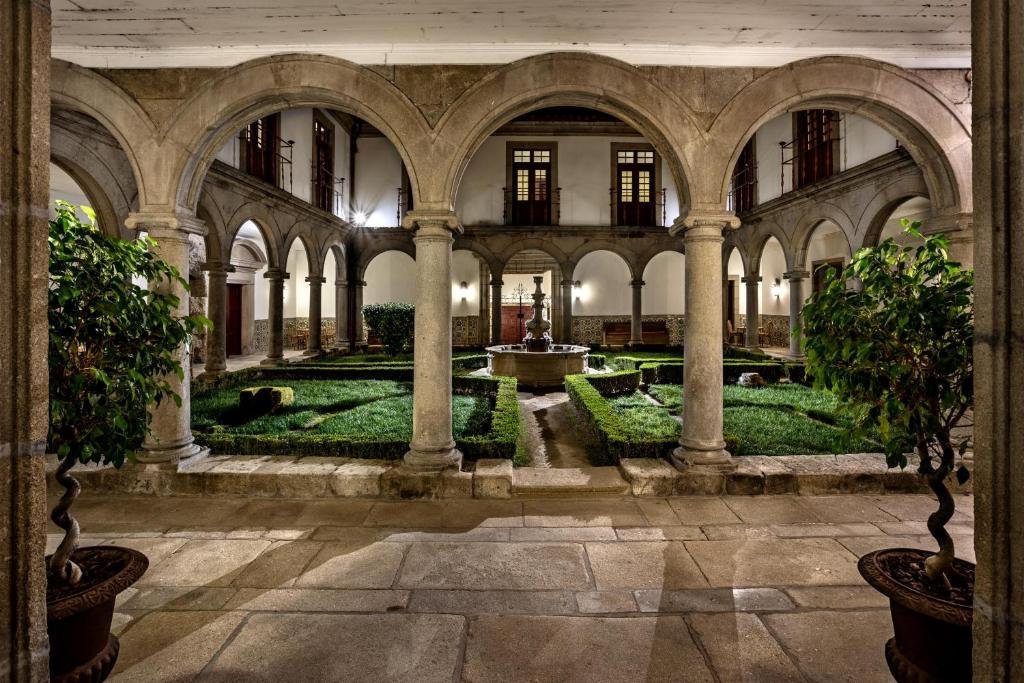
EMAJ Guimarães Boutique Hotel sits elegantly inside a classified 19th-century building directly overlooking the iconic Largo do Toural. This historic architectural icon originally functioned as the grand Banco Nacional Ultramarino headquarters for nearly a century. Real guest reviews consistently highlight how beautifully the property preserves its heritage, featuring towering ceilings and majestic original window arches. Travelers are routinely blown away by the modern luxury updates, including exceptionally comfortable mattresses and massive, detailed bathrooms. Each air-conditioned room boasts an individual, highly tailored artistic decor to ensure an intimate boutique experience. Mornings begin with a wholesome, freshly prepared buffet featuring vibrant local fruits and premium loose-leaf teas. It represents a sophisticated, independent urban refuge steeped in commercial history, perfect for exploring the cradle of Portugal on foot
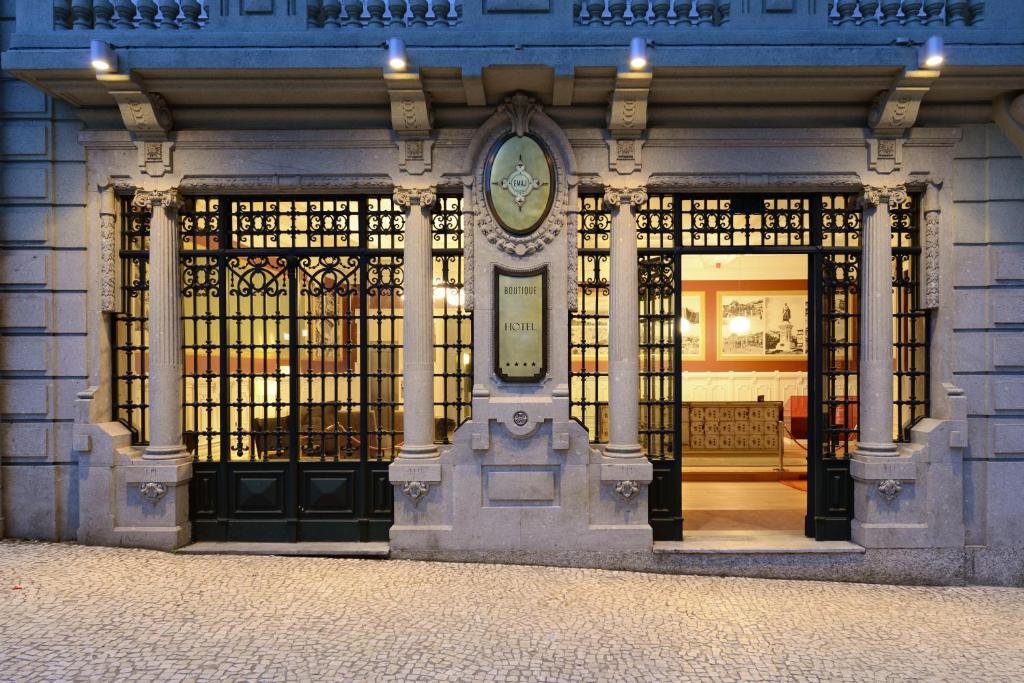
Braga: Historic Stays and Hillside Sanctuaries
Vila Galé Collection Braga occupies a magnificent, masterfully repurposed 16th-century palace complex that originally served as the historic São Marcos Hospital. Real guest reviews consistently celebrate this unique property for its incredible preservation of ancient stone architecture and vaulted cloisters. Visitors are routinely captivated by the dramatic interior corridors, original tile murals, and the quiet oasis of the inner courtyard gardens. The rooms are beautifully styled, seamlessly blending contemporary minimalist comforts with the heavy granite lines of the original citadel structure. Guests frequently praise the refreshing outdoor swimming pools and the tranquil underground spa as perfect sanctuaries after a long day of climbing city spires. It stands as an intensely soulful, historic retreat that effortlessly honors the deep spiritual heritage of the city.
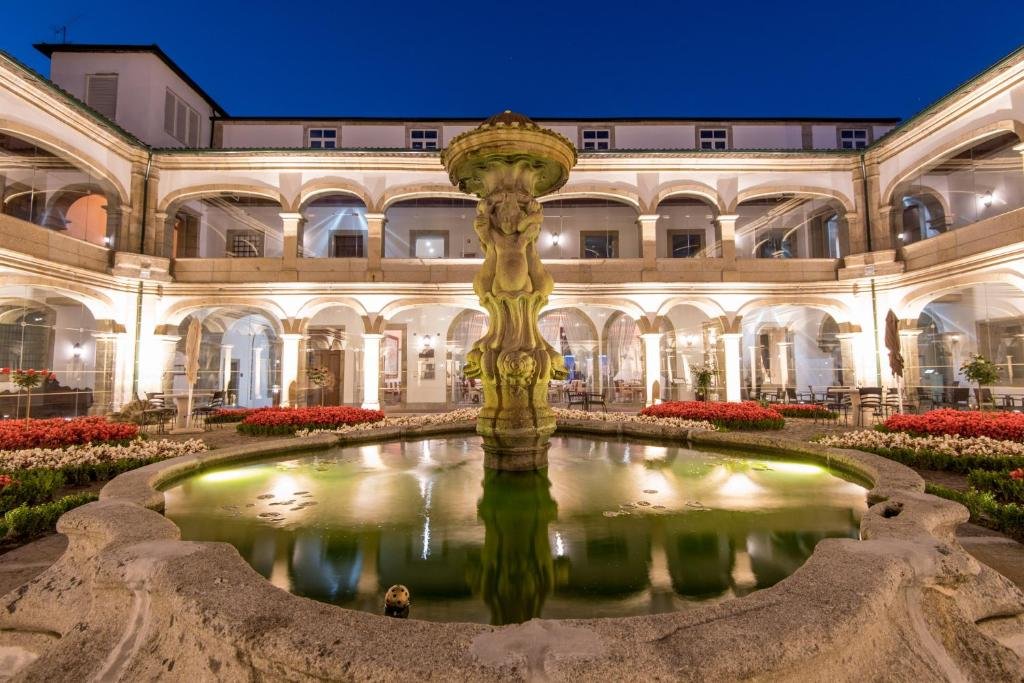
Burgus Tribute & Design Hotel sits quietly nestled in a historic alleyway within the oldest stone heart of Braga. Real guest reviews consistently praise this intimate hotel for its flawless blend of contemporary design and ancient structural bones. Visitors are routinely charmed by the welcoming, attentive staff who treat every traveler with genuine local hospitality. The guest rooms are sleek and artfully detailed, featuring premium linens and beautifully modern finishes that offer a restful contrast to the old world outside. Guests frequently highlight the exceptional buffet breakfast and the elegant on-site restaurant as standout culinary experiences. It represents a perfectly sophisticated, peaceful urban hideaway just a two-minute stroll from the ancient towers of the Braga Cathedral.
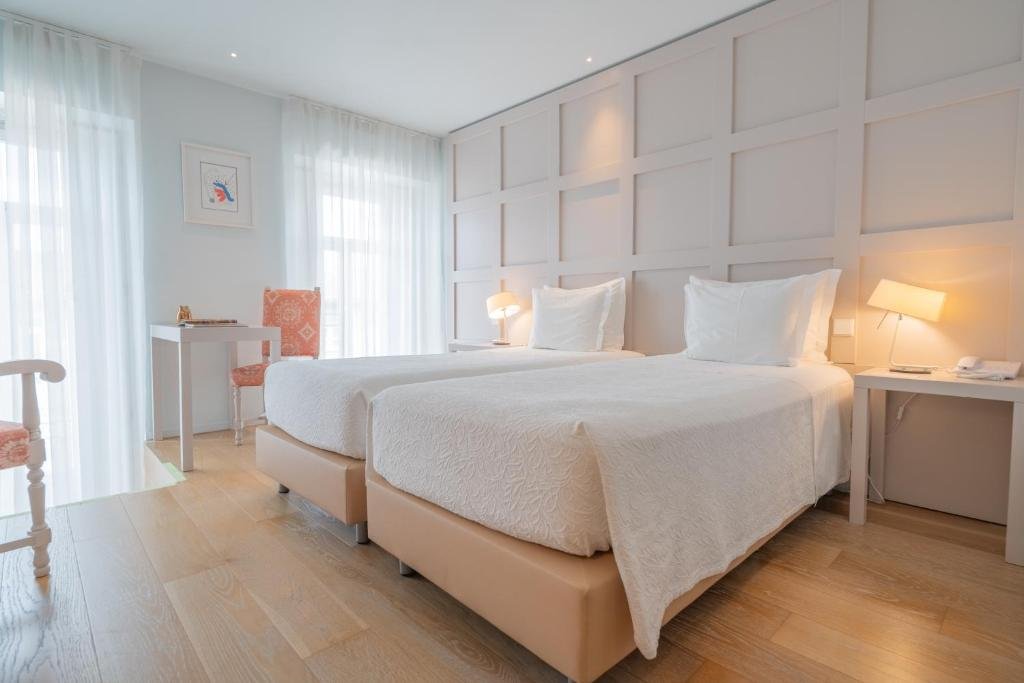
Amarante: Riverside Retreats and Slow-Paced Stays
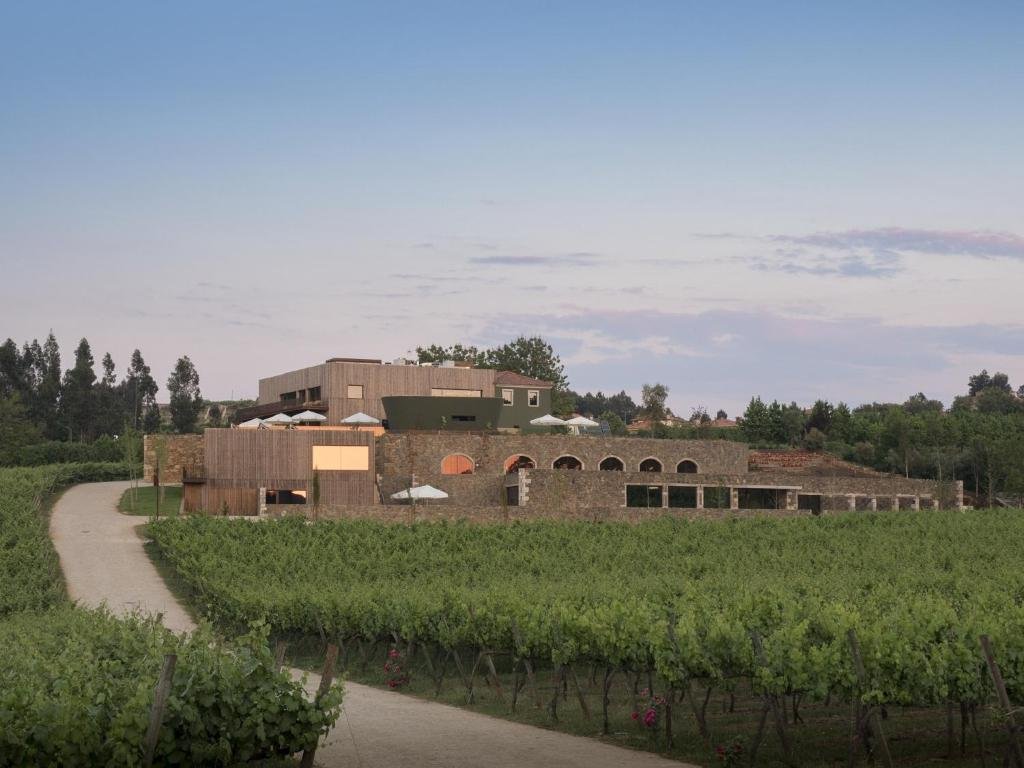
Monverde – Wine Experience Hotel sits beautifully embedded right in the rolling vineyard hills just outside Amarante. Real guest reviews consistently celebrate this stunning design hotel, highlighting the wonderfully zen and peaceful rural surroundings. Visitors are deeply impressed by the unique modern vibe, beautiful architecture, and exceptionally comfortable beds. The property features wonderful indoor and outdoor pools, a high-end wellness spa, and an excellent on-site restaurant. Guests frequently praise the interactive wine-tasting activities and the breathtaking scenery over the rows of vines. It represents an incredibly chic, restorative sanctuary perfect for winding down in the interior valley.
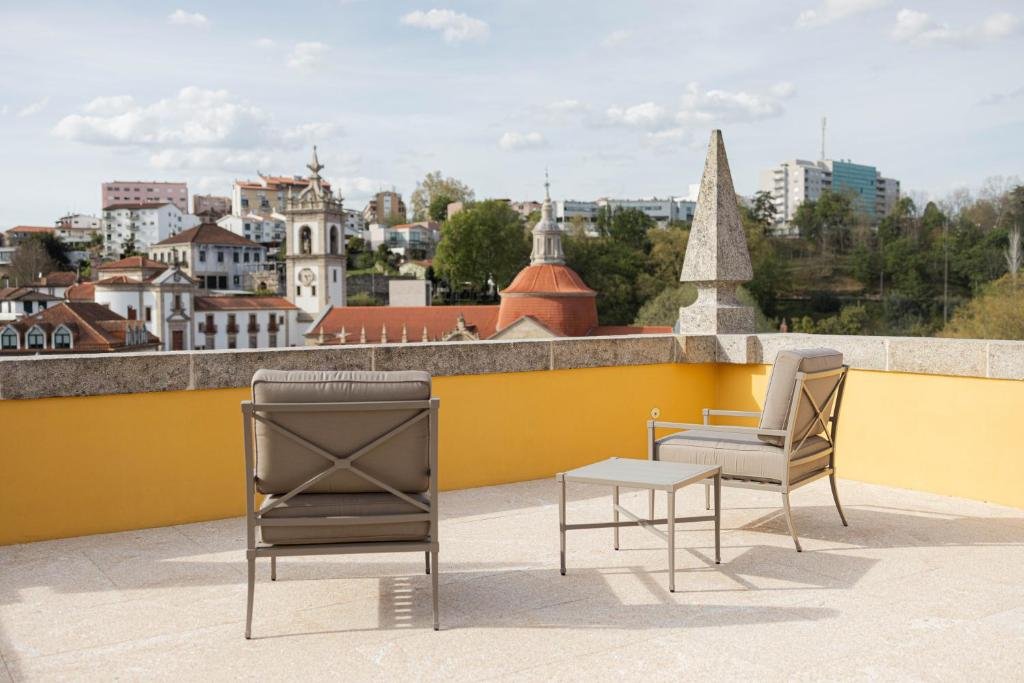
Casa da Calçada Relais & Châteaux occupies a magnificent 16th-century manor house sitting directly in the heart of Amarante. Real guest reviews award the property an exceptional rating, celebrating the absolutely top-notch service and central location. Visitors are deeply charmed by the sweeping, panoramic views overlooking the gentle tides of the Tâmega River. The sophisticated rooms blend timeless elegance with contemporary comfort following a complete historical renovation. Guests routinely praise the outstanding indoor and outdoor swimming pools, a serene spa, and exceptional daily breakfasts. It represents an intensely romantic, luxurious haven perfectly positioned for exploring the ancient northern valleys.
Viana do Castelo: Where to Stay by the Sea
AP Dona Aninhas sits gracefully facing the Lima River, just a two-minute stroll from the city center. Real guest reviews award the property an exceptional rating, celebrating its beautiful art-filled layout and vintage decor choices. Visitors are deeply impressed by the spectacular daily breakfasts, which frequently feature soothing, live piano music. The charming boutique guestrooms offer pristine cleanliness, modern air conditioning, and peaceful, private balconies. Guests routinely praise the world-class indoor swimming pool, a restorative spa center, and the welcoming reception staff. It represents an incredibly chic, perfectly located urban refuge for experiencing the maritime legacy of the coast.
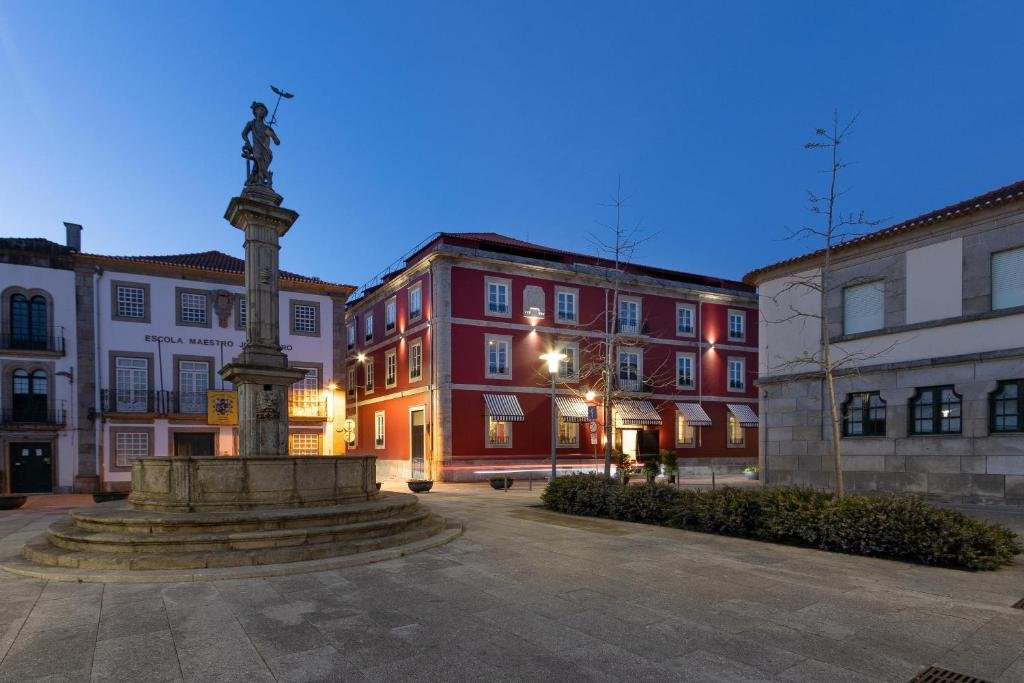
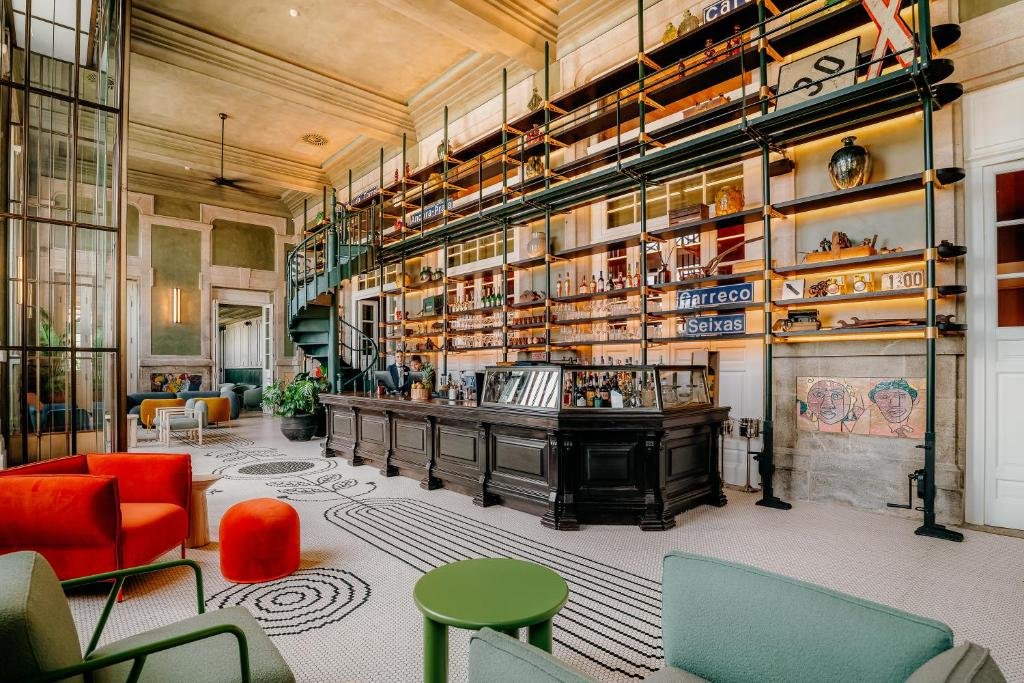
Axis Avenida offers a strikingly modern, design-forward sanctuary positioned in an excellent central location within Viana do Castelo. Real guest reviews consistently award the property exceptional praise, especially highlighting the unique, high-end train station aesthetic. Visitors are thoroughly charmed by the beautifully soundproofed, air-conditioned rooms displaying lovely city views. The property features an incredible on-site Italian restaurant, a cozy coffee shop, and a relaxing outdoor terrace. Reviewers routinely praise the top-notch, highly attentive reception staff and the wonderful daily buffet breakfasts. It represents an incredibly sleek, comfortable urban refuge perfectly suited for independent road-trippers.
Ponte de Lima: Where to Stay in Portugal’s Oldest Town
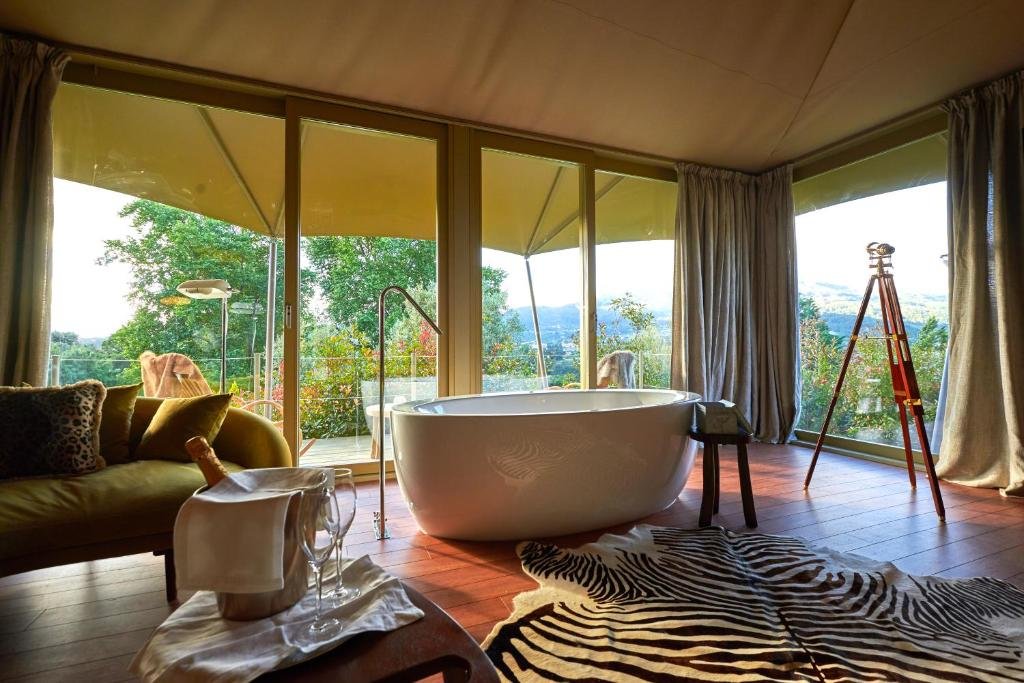
Carmo’s Boutique Hotel sits beautifully nestled in the quiet, idyllic countryside of the green Minho valley. Real guest reviews consistently award this small luxury estate excellent praise, highlighting the magnificent, imaginative interior decorations. Visitors are deeply captivated by the unique blend of traditional Lusitanian styles, fine art, and contemporary architectural details. The bright accommodations feature custom-designed furniture, luxury fabrics, and private terraces looking onto beautiful vineyards and gardens. Guests routinely praise the exceptional dining, two swimming pools, and the signature goat’s milk baths at Divine Spa. It represents an intensely romantic, peaceful sanctuary built specifically for slow travel and deep physical relaxation.
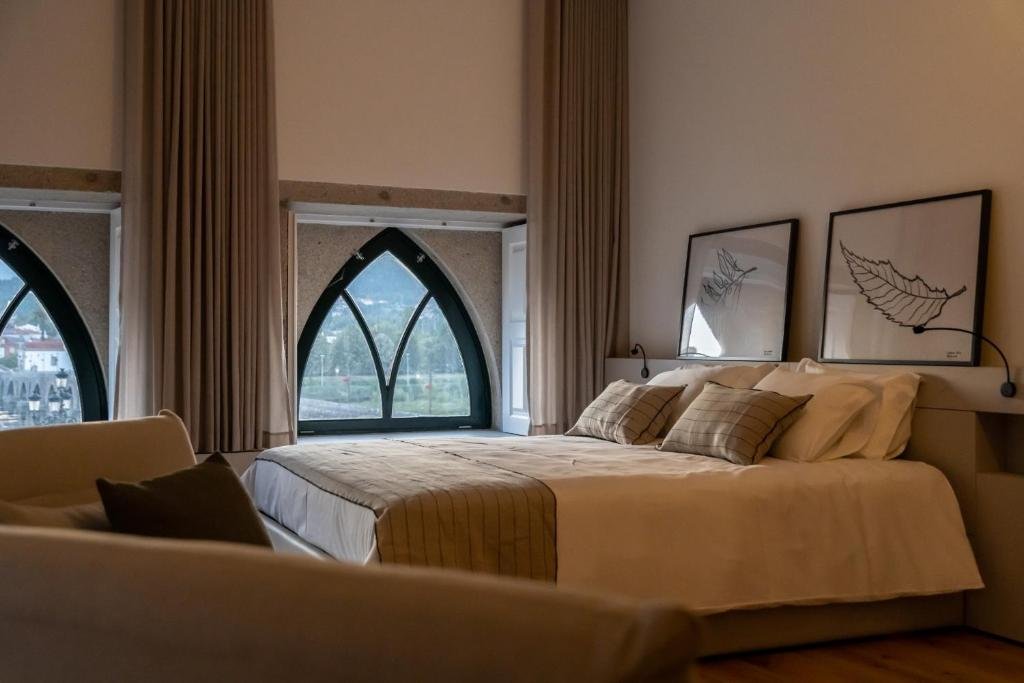
Camões Apartments sits directly on the historic town square, offering an unbeatable vantage point in Ponte de Lima. Real guest reviews consistently award this beautiful bed and breakfast a wonderful rating, celebrating its bright, brand-new interiors. Visitors are absolutely charmed by the spacious, air-conditioned rooms featuring gorgeous views of the river and the Roman bridge. The modern layout includes a stocked mini-fridge with complimentary cold beers, light snacks, and free laundry access. Guests routinely praise the exceptionally friendly staff and the exceptional daily breakfasts served at a local pastry shop across the street. It represents a thoroughly comfortable, vibrant urban sanctuary perfect for slow travelers and pilgrims exploring the ancient center on foot.
How to Get Around the Historic Towns of Northern Portugal
1. The Non-Driver’s Alternative: Exploring via Curated Small Group Tours
Renting a vehicle offers ultimate freedom, but driving on narrow northern roads is not for everyone. If you prefer to skip the stress of navigating, exploring via curated day tours from Porto is a flawless alternative. Over years of tracking the region’s shifting light, I have developed close relationships with an exceptional local operators. These trusted guides understand the pace a photographer requires, avoiding rushed schedules and predictable, crowded tourist traps. They offer deep-dive day trips that allow you to absorb the history of these ancient spaces completely stress-free. It is a highly restorative way to experience the landscape without ever getting behind the wheel yourself. I have worked closely with Cooltour Oporto for over three and a half years, and their execution is completely impeccable.
⭐ If you prefer to skip the driving entirely, click here to explore my honest, field-tested guide to the best Porto day tours and secure your boutique regional itinerary today. Use codes on link for discounts ⭐
By using our verified partner links to book your journey, you directly support our independent photography, YouTube channel and travel journalism at absolutely no extra cost to you. Thank you so much
2. The Chauffeur Alternative: Private Point-to-Point Transfers
For travelers who prefer direct, private transit between historical hubs without joining a group tour, utilizing a private chauffeur service is the ultimate luxury. Pre-booking a dedicated vehicle allows you to glide seamlessly from Porto Airport straight to your boutique hotel door in Guimarães or Braga. It completely eliminates the hassle of navigating train stations with heavy luggage or waiting in rental car lines. Whether you need a sleek sedan for a quiet countryside journey or a spacious van for a large group, a private transfer offers a beautifully calm, door-to-door alternative. It ensures your focus remains entirely on the shifting northern landscapes rather than the stress of the road.
⭐ Skip the car rentals entirely and click here to secure your private, chauffeur-driven transfer across Northern Portugal with our trusted transit partners. ⭐
When you book your private ride using our verified partner links, you directly support our independent travel journalism at absolutely no additional cost to you.
3. The Car Rental Alternative: Auction-Based Car Rentals
For travelers who want ultimate freedom to trace these ancient valleys on their own schedule, driving is the perfect choice. If you want to bypass standard corporate rental counters and high airport price tags, utilizing an auction-based car marketplace is a total game-changer. This transparent platform connects you with verified local owners and regional fleets who actively bid for your specific itinerary, driving base rental rates significantly below industry averages. It gives you absolute flexibility to secure a sleek sedan for tight historic lanes or a spacious van to safely carry heavy camera gear. It represents a beautifully authentic, budget-friendly strategy that lets you chase the shifting northern light completely on your own clock.
⭐ Skip the corporate car rental lines and click here to find your perfect regional road-trip vehicle on GetRentacar today ⭐
When you secure your coastal transit using our verified partner links, you directly support our independent travel safety journals at absolutely zero additional cost to you.
Frequently Asked Questions About Traveling in Northern Portugal
✨What is the best way to travel around northern Portugal?
The absolute best way to explore the region is by renting a car. While trains connect Porto to Braga and Guimarães, a car allows you to trace the undulating national roads, visit isolated vineyards, and stop in quiet riverside towns like Amarante at your own pace.
✨How do electronic highway tolls work when driving in northern Portugal?
Navigating the modern northern highway network requires an electronic toll responder device. Many regional routes utilize electronic toll gantries without physical booths for cash payment. When renting your vehicle at Porto airport, ensure it includes an active Via Verde transponder box. This integration automates fee tracking behind the scenes and eliminates post-trip highway fines.
✨How many days do you need to see the best towns in northern Portugal?
We highly recommend dedicating at least seven to ten days to this regional itinerary. This timeframe gives you two full days in Porto. Follow it with a slow driving route through historic valleys and coastal frontiers without feeling rushed.
✨What are the traditional regional dishes you must try in the north?
The gastronomy of the north is pure, hearty, and deeply rooted in centuries of agricultural and maritime heritage. In Porto, experience the iconic Francesinha sandwich or traditional tripe stews. As you travel north into the Minho region, look for authentic Caldo Verde green soup. Pair it with dense rye bread and fresh Atlantic cod fritters. In the interior valleys, prioritize slow-roasted kid goat with local oven-baked rice.
✨Is northern Portugal safe for independent solo travelers?
Yes, northern Portugal is exceptionally safe, welcoming, and peaceful for independent travelers. The local people are deeply hospitable and genuinely helpful. Learning a few basic Portuguese phrases will greatly enrich your cultural connections.
✨What is the best month to plan a northern Portugal road trip?
The finest months are May, June, September, and October. Spring delivers lush, green landscapes and comfortable walking temperatures. Autumn brings the thrilling grape harvest to the valleys, turning vine leaves into brilliant shades of gold and deep ochre.
The Final Chapter: Embracing the Spirit of the North
Exploring northern Portugal is about letting the shifting landscape reveal its secrets slowly to your lens. Whether you find yourself watching the twilight sky turn deep red over a hilltop sanctuary or walking the cool, shaded stone paths of a medieval courtyard, these textures linger forever in the memory. The true magic of this region does not hide in standard guidebook checklists. It thrives in the quiet, daily rhythms of the people who preserve these ancient spaces. Take your time, lean into the natural cadence of the road, and surrender completely to the honest beauty of this remarkable frontier.
Até já,
Marcelo, Go Travel Planet
Read More From the Archive: Deepen Your Portuguese Journey
⭐ Porto, Where Smoke Meets Sea: The Art of Grilling
Step away from the traditional dining rooms and immerse yourself in the raw culinary theater of northern Portugal. This visual essay uncovers the hidden, fire-stoked seaside taverns where master grillers transform the daily Atlantic catch into smoky masterpieces.
⭐ Douro Valley, Portugal: 3 Quintas Worth the Detour
Journey deep into the terraced stone amphitheatres of the world’s oldest demarcated wine region to discover ultimate slow travel. These three fiercely independent, family-run estates offer a beautifully intimate retreat from the crowded, predictable tourist trails.
⭐ A Guide to the Best Day Tours From Porto
Skip the stress of navigating tight mountain curves and let a trusted local guide curate your regional map. This field-tested roundup highlights the most authentic, photographer-friendly day trips to help you explore the interior valleys completely hassle-free.
✨ Prefer a visual journey? Watch our official destination guide on YouTube clicking here ✨
Keep exploring. Keep discovering. Keep choosing the journey over the destination. We would love to hear your thoughts, drop a comment below. 🌍
All editorial photography © Go Travel Planet. All rights reserved. Property imagery and architectural photography courtesy of our hotel partners and Booking.com
Disclaimer: Some of the links in this guide are affiliate links. If you choose to book a tour through these links you get a discount by using the codes at the top of the link page and Go Travel Planet will earn a small commission at no additional cost to you. Thank you for supporting our independent travel blog!