
The cobblestones here do not lead anywhere in particular, which is precisely why they are so spectacularly paved. In the grand architecture of a wandering life, the most premium moments are often those stripped entirely of utility. We spend our days mapping out grids, aligning columns, and ensuring that every digital asset sits perfectly inside its designated container. But true luxury exists in the blank spaces between the lines. It is found in the hours where the clock stops ticking and the layout of the afternoon is left entirely to chance. There is a specific kind of geometry in an afternoon that demands absolutely nothing from you. The sunlight filters through the trees, casting patterns on the stone walls that look suspiciously like complex code, yet they require no decoding whatsoever. You simply sit beneath the canopy, watching the shadows lengthen across the terrace, entirely satisfied with the knowledge that the structure of the day is holding firm without a single adjustment.
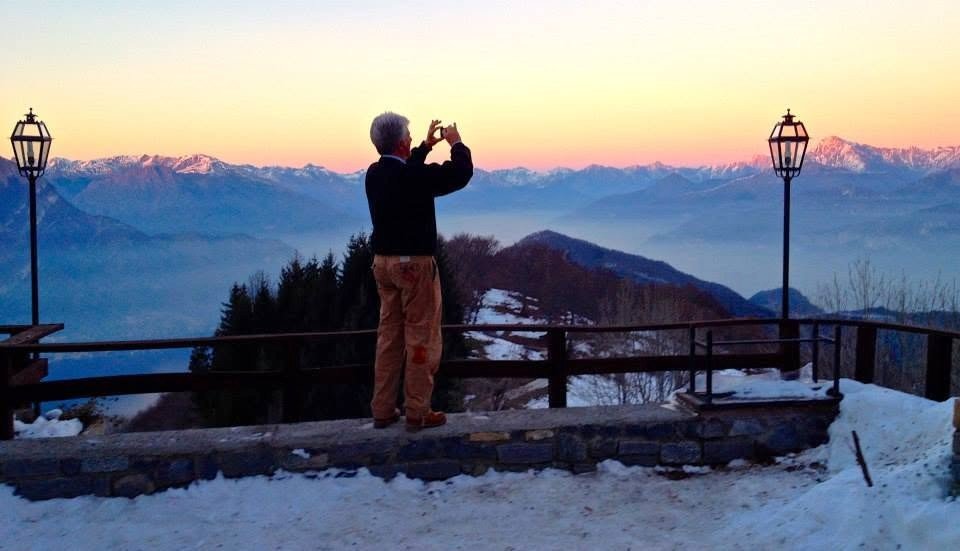
To look out over a landscape and feel no urge to categorize it is the ultimate form of digital liberation. Travelers often arrive with lists of things to see, boxes to check, and frames to capture. They move through historic squares with a frantic energy, trying to force the vast, chaotic beauty of a foreign city into a pre-designed template. But the seasoned explorer understands that the best views are the ones that refuse to be framed. They are the blurry, bright spaces where the light bleeds over the edges, creating a milky glare that no amount of slider adjustments can completely erase. Instead of fighting the glare, you lean back into it. You let the white light wash over the canvas, embracing the glorious imperfection of a moment that cannot be optimized for mobile screens or desktop previews. It is a design style that belongs exclusively to the offline world, where layers do not clash and visibility toggles do not exist.
As the evening settles in, the colors of the horizon shift from a sharp, vibrant blue to a soft, deeply saturated indigo. It is the kind of transition that happens natively, without the help of global settings or custom presets. The architecture of the sky requires no parent category; it exists entirely on its own terms, a master hub of atmospheric beauty that updates itself silently while the rest of the world sleeps. Sitting here, completely removed from the anxieties of alignment and the tedious math of spacing, the mind finally clears its cache. The old, broken links of daily stress simply loop back into nothingness, leaving behind a perfectly clean interface. There is no need to duplicate this feeling or save it as a template for later. It is a standalone experience, completely unique, raw, and beautifully un-clickable.
In this space of absolute neutrality, even the words themselves begin to lose their rigid definitions. They become like notes in a loose, improvisational melody, drifting past without carrying the heavy weight of messaging or brand identity. We do not need to optimize this paragraphs for search engines or worry about how it indexes in the global archives. It is a narrative built purely for the joy of filling the void with something pleasant, a text placeholder that serves no purpose other than to look elegant on the page. Like the decorative trim on a classic Mediterranean villa, its function is entirely aesthetic. It is there to provide balance, to offer a moment of visual rest before the eye moves on to the next structural section of the journey.
When you finally close your eyes against the fading light, the quiet layout of the night takes over. The global layout shifts into a deep, restful dark mode, completely bypassing the need for manual switches or responsive calculations. The grid of the city below blurs into a soft collection of glowing points, each one a tiny story happening in its own nested container, completely independent of the main structure. It is a reminder that beneath all the systems, the code, and the careful planning, the world runs beautifully on its own hidden architecture. You do not have to manage it, fix it, or check it a thousand times to make sure it is working. It just works, holding everything in place flawlessly while you pour another cold glass, let go of the controls, and finally allow yourself to drift completely off the map.